

Unlocking Healing Through the Mind-Body Connection
Processing Trauma Through Somatic Awareness
Trauma has this sneaky way of embedding itself deeply within us, affecting all aspects of our minds and bodies. Often traditional healing methods, such as talk therapy alone, may not be enough to uncover the deep layers of trauma. When trauma is left unprocessed, it can manifest as chronic stress, emotional instability, or even physical pain. I deeply understand how challenging this can be, as I’ve experienced the serious consequences of unprocessed trauma firsthand. I share my journey, in the hopes that it might resonate and prevent others from facing similar struggles.
But don’t lose hope, being open to developing somatic awareness offers a powerful, body-centred approach to healing, serving as a bridge that unites the mind and body and paves the way for true recovery.
I know that healing from trauma can feel like a long and complicated journey, and I’ve been there myself. For years, I explored different therapies, desperately seeking a way to address the pain and tension that impacted my mind and body.
It wasn't until I found somatic bodywork that I began to experience a meaningful shift.
Learning to tune into my body and recognise the physical signs of trauma was incredibly transformative for me. This journey enabled me to release years of unresolved trauma, reconnect with myself on a deeper level, and finally feel like I was making real progress in my healing process. If you can relate to this, know that you’re not alone, and there is hope for healing.
In this blog post, I’ll share some of the amazing benefits of somatic awareness, practical ways to incorporate it into your own life, and why reconnecting with your body is one of the most vital steps in healing.
I’ll also touch on the transformative approach offered by The Centre for Healing’s Trauma Healing Programs, which include somatic techniques that deeply resonate with my personal journey.
What is Somatic Awareness?
Somatic awareness may seem like an abstract concept, but it simply means tuning into your body and acknowledging the physical sensations. It's about creating a dialogue with yourself that goes beyond words. For example, the tension in your shoulders or the fluttering in your stomach can prompt you to explore what’s happening inside of you and get you to delve deeper into what those physical sensations are trying to alert you to.
Trauma often gets stored in the body, (As Dr. Bessel van der Kolk talks about in his book, ‘The Body Keeps the Score’) creating patterns of tension and unease that we might not even notice.
For years, I lived with the physical and emotional impact of unacknowledged and unprocessed trauma. The chronic tightness in my chest, the nightmares, the weight gain, physical pain and an almost constant feeling of being “on edge.”
At the time, I didn’t connect it to cPTSD, but once I started practising somatic awareness, I began to understand how trauma had been impacting me on so many levels.
With this newfound understanding, I was able to give my body the care and attention it needed to heal. I won’t sugarcoat it: working through stored trauma has been one of the hardest challenges to work through, but it is also the most rewarding and liberating.
Somatic awareness provides a gentle invitation to reconnect with your body as a supportive partner in your healing journey.
It provides a meaningful pathway to process experiences and emotions that words may struggle to convey. This approach is at the heart of The Centre for Healing’s Trauma Healing Programs, which teach powerful techniques to help you access and release stored trauma.
If you are ready to finally face and heal from trauma, I invite you to think of your body as an ally in this healing process and incorporate somatic work into your healing journey.
Breaking free from the past and embracing a lighter, more empowered future, just might be the byproduct.
Additional techniques for managing your Emotional Well-Being:
Click to explore some amazing products and programs
to take you to the next level.
Binaural Beats & Meditation by Ennora
Destroy Depression Program
Disclaimer - This blog post contains affiliate links

The Benefits of Processing Trauma Through Somatic Awareness
1. Releases Stored Trauma
For years, I carried trauma like a heavy weight, literally and figuratively. My body felt like a stranger to me, and I couldn’t quite pinpoint why. There were many times that I hated my body and felt betrayed by it. Somatic awareness helped me realise that those sensations and painful emotions were my body’s way of holding on to past experiences and trying desperately to get me to acknowledge them.
Learning to release stored trauma, step by step, felt like shedding layers of emotional and physical heaviness. It freed me to embrace my body and learn to love and accept it as a gift, rather than something to be rejected.
Benefit: Unlocking and releasing stored trauma allows you to feel lighter, freer, and more at peace within yourself. It helps you unpack all the heavy ‘stuff’ inside and frees up space to allow some of the good stuff in.
2. Reduces Anxiety and Hypervigilance
Unresolved trauma has this way of triggering the amygdala to keep alarming, in the hope of grabbing your attention. However, the constant alarm leads to some uncomfortable side effects and eventually leads to overwhelming the nervous system.
Trauma left me in a constant state of fight-or-flight. I was always on edge, waiting for the next threat to appear—even when I was perfectly safe. Before having my son, I was pretty good at existing in functional freeze mode. I lived my life reasonably well but always felt empty and afraid.
After having my son, a part of me "unfroze" and opened up to feeling genuine love, which made me feel vulnerable.
Unfortunately, due to unprocessed trauma, this vulnerability triggered my "survival alarms" and overwhelmed my nervous system. This ultimately led to the suppression of my immune system and triggered an autoimmune condition called CIDP, which left me paralysed and hospitalized for six months.
I wish I had known about somatic practices at the time, that could have helped me calm my nervous system and ground me in the present moment. These practices might have alleviated the PTSD and panic attacks that I experienced postnatally. Unfortunately, at that time, these resources weren't as readily available as they are now.
Benefit: Engaging in these practices helps to calm and regulate your nervous system, which in turn creates a greater sense of safety and stability. Somatic awareness supports emotional well-being and fosters a peaceful environment both internally and externally.
Now when my body tries to ‘tell’ me something I spend a few moments connecting with it and then engage in calming techniques to regulate my nervous system and then I journal my reflections and release any emotions that come up.
3. Strengthens Emotional Regulation
Tuning into your body's sensations (somatic awareness) enhances communication between your body and mind, revealing what you need for holistic well-being. One of the biggest gifts of this relationship between body and mind is the ability to emotionally regulate and turn off the ‘alarm’ and switch into parasympathetic ‘calm’ mode.
Being emotionally regulated allows your body and mind to build resilience and encourages a growth mindset.
When I began tuning into my body, I noticed that I could catch emotional triggers early. Instead of spiralling into overwhelm, I could pause, breathe, and respond with greater control.
Benefit: Nurturing somatic awareness encourages a kinder relationship with your emotions, allowing you to cultivate self-compassion. When you take a moment to connect with the physical sensations associated with your feelings, you'll discover that you can respond to emotional challenges more thoughtfully.
4. Promotes a Sense of Empowerment
After experiencing trauma, you may find yourself grappling with feelings of powerlessness and disempowerment, stemming from the overwhelming nature of the traumatic event, or from the sense of being unable to control your circumstances or emotions.
This feeling can profoundly impact your mental and emotional well-being, making it challenging to regain a sense of normalcy and control in your daily life, as it did for me postnatally. Over time, addressing these feelings becomes essential for healing and rebuilding self-confidence.
For years, I felt disconnected from my body—like it was something I couldn’t trust. Through somatic work, I reclaimed my connection with myself. This process made me realise that healing wasn’t something happening “to” me—I was an active participant, thereby building my sense of empowerment.
Benefit: Reconnecting with your body is an important step to trusting yourself and your ability to heal.
When you pay attention to how your body feels and what it needs, you learn more about yourself.
This helps you understand and respond to your body’s signals with kindness. Building this awareness gives you more confidence in your ability to heal both physically and emotionally.
5. Improves Physical Health
Chronic stress and trauma can not only impact your emotional well-being but over time affect your physical health.
This level of stress can show up as headaches, tension and even fatigue, slowly increasing inflammation in your body, leading to functioning at an overall lower level. It’s hard to excel in life when you feel drained and unmotivated.
Once I began releasing stored trauma, I noticed my body responding with more energy and vitality and a sense of calmness. I felt compassion and kindness towards my body for the first time, finally having the skills to release the long-held hate I once had towards it.
One of the biggest hurdles for me was forgiving myself for holding onto hate towards my body and feeling as though it betrayed me.
I now know my body is an amazing gift that has been the warehouse of all that pain and trauma, and it has done an amazing job of keeping me going. My biggest wish for you is that you too can befriend your body and realise the amazing gift it is.
Benefit: Somatic work improves physical well-being by releasing stress and tension stored in the body, regulating the nervous system, decreasing inflammation and tapping into a sense of overall well-being.
Practical Ways to Tap into Somatic Awareness
Healing doesn’t have to involve dramatic shifts—it starts with small, intentional actions. Here are some techniques that worked for me, and I hope they’ll help you too:
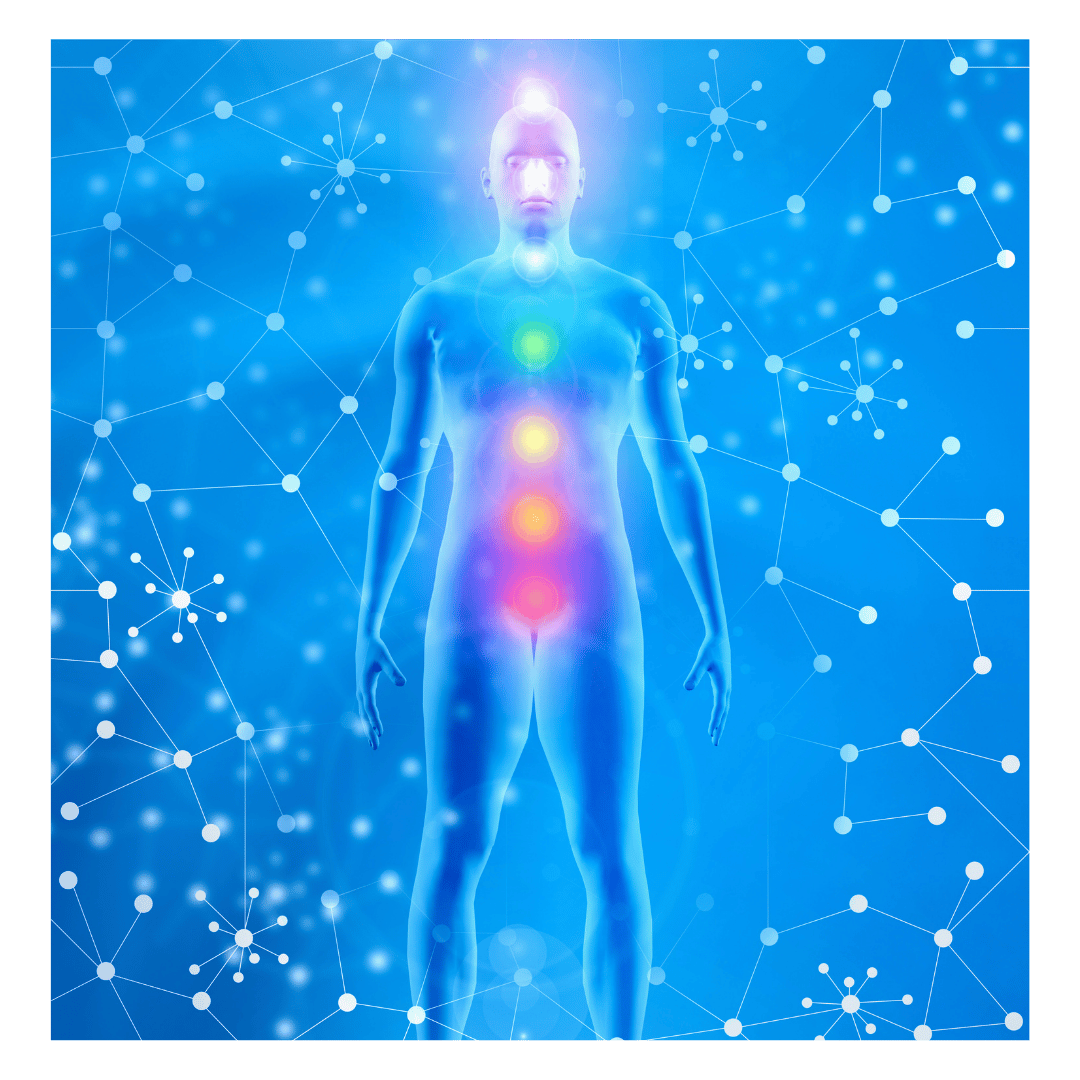
1. Body Scan Meditation
Find a comfortable position, sitting or lying down, and close your eyes. Take a few deep breaths, inhaling through your nose and exhaling through your mouth.
Start by focusing on your feet. Notice any sensations—tension or relaxation. Acknowledge these feelings and breathe into this area.
Gradually shift your attention to your calves, knees, and thighs, inviting relaxation with each breath. Continue to your hips and lower back, noticing any tightness and allowing your breath to soften those areas.
Next, focus on your abdomen and chest. Feel the rise and fall of your breath, then move to your shoulders and neck, relaxing any tension you find.
Finally, bring your awareness to your jaw, cheeks, eyes, and forehead. Acknowledge any tightness and breathe into those areas, allowing them to relax.
End by focusing on the top of your head, appreciating the overall sense of relaxation throughout your body. When you're ready, gently open your eyes and reflect on your experience.
Benefit: Helps you identify and release areas where trauma might be stored as tension.

2. Movement-Based Practices
Movement-based practices generally refer to activities and techniques that prioritise physical movement to boost physical, mental, and emotional well-being. These practices can include a variety of forms such as dance, yoga, martial arts, and various other forms of exercise that focus on body awareness and expression.
By engaging in movement-based practices, you’ll not only improve physical fitness, flexibility, and coordination but also reduce stress and promote mental clarity. Additionally, these practices encourage mindfulness, allowing for a deeper connection with our bodies and emotions.
Whenever I felt stuck or overwhelmed, I found comfort in gentle movements like yoga, intuitive dance, shaking, and stretching. These practices allowed me to connect with my body, helping me to release tension and truly listen to what I was feeling. It's common for overwhelming emotions from unprocessed trauma to manifest as scattered or erratic energy, creating stress and making it difficult to focus.
By taking the time to move, shake, or stretch, you can gently soothe the chaotic energy within your nervous system and invite in a sense of calm and tranquillity.
Benefit: Movement-based practices encourage the natural flow of energy in your body, relieving both physical and emotional tension, deactivating the sympathetic 'alarm' mode and activating the parasympathetic relaxation mode.
3. Grounding Techniques
Grounding techniques help you to reconnect with the present moment, especially during times of stress, anxiety, or overwhelming emotions. Various techniques can help provide a sense of safety and stability by focusing on the here and now.
Here is one of the most common grounding techniques that works well:
5-4-3-2-1 Method:
This technique uses your senses to help you ground yourself. Identify:
-5 things you can see
- 4 things you can touch
- 3 things you can hear
- 2 things you can smell
- 1 thing you can taste
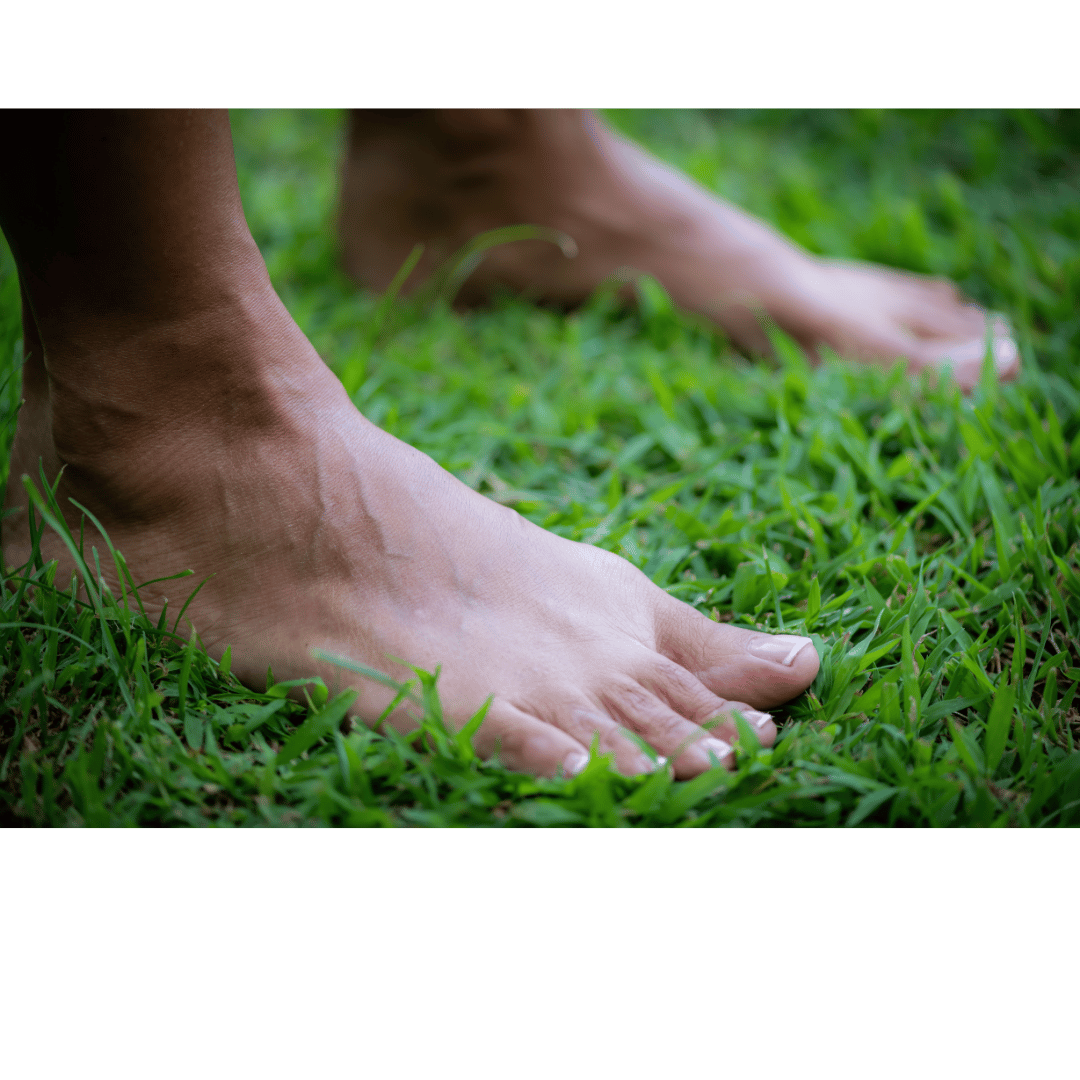
Another simple technique I've often used is to walk outside barefoot while pacing, taking slow deep breaths and exhaling twice as long as the inhale, while gently tapping my chest. Practising these grounding techniques can enhance emotional regulation and foster a greater sense of peace and well-being.
Benefit: Calms the nervous system and helps you feel more present.

4. Breathwork Exercises
When anxiety hits hard, breathwork can become a lifeline. Techniques like box breathing (inhaling for 4 counts, holding for 4 counts, exhaling for 4 counts, and pausing for 4 counts) work well, as well as the modified version with a longer exhale time (usually double the inhale time) they can help you to regain control and feel calmer.
Benefit: Activates the parasympathetic nervous system, promoting relaxation and reducing stress.

5. Somatic Journaling
Somatic journaling, or as I call it, therapeutic journalingdeepens the mind-body connection and helps identify patterns linked to trauma while releasing the emotional charge behind them.
Instead of simply writing down your thoughts, begin journaling about how your body feels during different situations. Ask yourself questions like, “Where do I feel this emotion in my body and what is it trying to communicate to me?”
To begin, choose an emotion or experience to focus on. As you write, pay attention to how your body feels—whether it’s tension, fluttering, or relaxation. Documenting these sensations alongside your thoughts can reveal patterns and insights, aiding in emotional processing.
Benefit: Powerful tool for personal growth and healing, promoting a holistic understanding of your inner world. Enhances self-awareness, emotional release, and improved body-mind connection. Facilitates insights for personal development and provides a safe way to explore sensations linked to past experiences.
This is one of my favourite methods for healing from trauma, so much so that I wrote an eBook as a roadmap for others,
How Somatic Awareness and The Centre for Healing Can Transform Your Journey
The exercises mentioned above are an excellent way to begin your healing journey. If you want to explore the mind-body connection further, you may be wondering how to deepen these practices. This is where The Centre for Healing’s Trauma Healing Programs can help.
Their courses offer a blend of somatic techniques, trauma education, and guided practices to help you safely access and process your trauma. With their support, you’ll learn how to release the emotional and physical burdens that may have been holding you back for years. Don’t wait decades before moving beyond trauma, like I did. Truthfully, I wish I had access to the resources back when my life was falling apart because of the unprocessed trauma, but it’s never too late and I am grateful that I found somatic awareness and trauma healing.
By embracing somatic awareness, you’re not just healing your past—you’re creating a stronger, more resilient version of yourself. The Centre for Healing provides the tools, guidance, and community to make this transformation possible.
Your Next Step: Start Listening to Your Body
Healing trauma can feel overwhelming, but somatic awareness offers a gentle, compassionate path forward. It reminds us that our bodies are not just vessels—they’re storytellers.
By learning to listen, you’ll uncover the wisdom your body holds and begin to release the pain it carries. My whole concept behind Mind Archaeology has been around this very concept that our bodies are storytellers. Boy did my body have an amazingly complex story to tell me. I thank it every day for giving me access to its treasures.
Curious to learn more about this transformative approach? Discover how The Centre for Healing can guide you on your journey to emotional freedom and well-being.
👉 Click here to explore their trauma healing programs and take the next step toward lasting growth.
Remember, every step—no matter how small—is a victory. You deserve healing, growth, and a life unburdened by the weight of the past. Let your journey begin today… However, that looks for you!
If you’ve ever felt overwhelmed by your emotions or unsure where to even begin with self-care, my eBook Therapeutic Journaling: A 3-Step Process to Improved Emotional Wellbeing could be exactly what you need to navigate your journey into wellness.
Inside, you’ll find: ✨ A simple, 3-step framework to help you process emotions and reduce overwhelm, utilising mindfulness, therapeutic journaling and body awareness.
✨ Guided prompts designed to dig deep and uncover what’s holding you back.
✨ Practical tips to make journaling a transformative and healing daily habit.
✨ Bonus section to help navigate specific emotions.
Click here to learn more and grab your copy today! 👉[Link to eBook]
Final Thoughts
Trauma does not simply go away on its own; it takes courage and deep introspection to confront the pain. Remember you don't have to go it alone, there are effective therapeutic modalities that can assist you on your journey.
You have the power to choose when you feel ready and which method will suit you best. Whether you prefer healing from trauma through somatic awareness, journaling, or art therapy, the key is to take that first step towards post-trauma growth.
Happy Moving Beyond Trauma 😊
Starlah Rose


Click to delve into Art Therapy At Home
SUBSCRIBE
Now to Receive a Free
"How to Be Mindful in 7 Days" Workbook.
By signing up you also agree to recieve my newsletter when I have interesting stories and blogs to share- straight to your inbox before everyone else
You’re almost there. Just pop in your details on the next page and your How to Be Mindful in 7 Days workbook will be on its way to you.
🔐 Copyright Notice
This eBook and accompanying workbook are intended solely for individual use. Reproduction, distribution, or sharing of any content—whether in part or in full—is strictly prohibited without prior written permission from the author.
This website contains cookies. We're committed to your privacy. We use the information you provide to us to contact you about our relevant content, products, and services. You may unsubscribe from these communications at any time.
🔐 Copyright Notice
This eBook and accompanying workbook are intended solely for individual use. Reproduction, distribution, or sharing of any content—whether in part or in full—is strictly prohibited without prior written permission from the author.