

The Healing Power of Art Making
Let's Make Art
When it comes to art, many people associate it solely with creativity or self-expression; however, there is a growing recognition of its profound therapeutic benefits. Art therapy has gained traction as an effective mental health tool, helping people to process trauma, reduce stress, and gain deeper insights into their emotions. However, it’s important to remember that you don’t have to wait until you need therapy to pick up a brush or pencil.
Creating art purely for the fun of it can also have significant health benefits—both for the mind and body. And learning to draw boosts your confidence, releasing feel-good chemicals.
So, let’s explore the differences between art therapy and art for fun, and how both can bring incredible value to your overall well-being.
What is Art Therapy?
Art therapy is all about using creativity to support your mental, emotional, and physical well-being. With the help of trained art therapy professionals, you'll get to explore your emotions and work through any challenges or personal struggles by making art. This can be especially empowering if you find it hard to talk about your feelings.
The Benefits of Art Therapy:
Emotional Release: Art therapy is a cool way to let out tough emotions and deal with stress or trauma by getting creative in a safe space.
Stress Relief: Scheduling some time for creative activities helps your brain focus on the present and reduces anxiety and overthinking.
Self-Discovery: By translating emotions into artwork, you’ll uncover subconscious feelings, fears, and desires, gaining deeper insights into your amazingly complex psyche.
Boosting Self-Esteem: Completing an art project—no matter the skill level—can foster a sense of accomplishment, building confidence and pride.
You may also like to read...
Techniques for managing your Emotional Well-Being:
Click to explore some amazing products and programs
to take you to the next level.
Binaural Beats & Meditation by Ennora
Destroy Depression Program
Disclaimer - This blog post contains affiliate links

Art for the Simple Fun of It
But, what if you’re not looking for therapy, and just want to enjoy making art without diving into deep emotional exploration?
Good news—you can still reap incredible health benefits by creating art purely for the enjoyment of it. No need to dive into your past trauma or hidden fears. Sometimes, picking up a paintbrush, pencil or moulding some clay just for fun can be the most therapeutic act in itself.
The Health Benefits of Creating Art for Fun:
Mental Relaxation: When you engage in art for fun, your brain enters a state of flow. This focus allows you to unplug from the stresses of everyday life and gives your mind a break.
Improved Cognitive Function: Art stimulates the brain and enhances problem-solving skills. Activities like drawing or crafting can improve memory and brain function, helping to ward off cognitive decline.
Enhanced Mood: Studies show that even just 45 minutes of creative activity can reduce levels of the stress hormone cortisol in the body. Whether you’re doodling or painting, art can naturally elevate your mood.
Social Connection: If you join an art class or share your creations with others, art can help you form deeper social connections, which boosts mental health.
No Pressure, Just Joy: There’s something uniquely freeing about creating art with no rules or expectations. When you’re simply enjoying the act of making something, you invite more joy and lightness into your life.
How to Add More Art to Your Life
(Without Making It a Big Deal)
You don’t have to be a professional artist or dive deep into art therapy to get the benefits of creativity. Here are some ways you can bring more art into your everyday routine, just for fun—and feel better in the process.

1. Doodle Your Way Through Stress
Doodling is a fantastic way to engage your mind while giving yourself permission to play, relax, and express emotions freely.
Step-by-Step Instructions for Stress-Relief Doodling
1. Gather Your Materials
- Grab a sketchbook, notebook, or a piece of paper.
- Pick your favourite pens, pencils, markers, or crayons.
- If you want to try bilateral doodling, make sure you have two writing tools—one for each hand.
2. Set the Mood
- Find a quiet or comfortable space where you can relax.
- Play some soft music or ambient sounds if you like.
- Take a few deep breaths before starting to centre yourself in the moment.
3. Begin Free-Flow Doodling
- Place your pen on the paper and start drawing anything—lines, shapes, squiggles.
- Don’t overthink it! Let your hand move naturally without planning your next stroke.
- Experiment with patterns—dots, spirals, cross-hatching, waves, abstract figures.
4. Try Bilateral Doodling
- Hold a pen in each hand.
- Start doodling simultaneously with both hands, focusing on symmetry or just letting them flow freely.
- This practice engages both hemispheres of the brain and can be deeply calming and meditative.
5. Play with Colour & Shapes
- Mix different colours to add vibrancy to your doodle.
- Try making a mandala-style pattern if you enjoy repetitive and structured designs.
- Doodle words, symbols, or things that make you feel good.
6. Observe & Reflect
- Once you feel satisfied, look at your doodle—what do you see?
- Notice any patterns or emotions that surfaced while drawing.
- If you feel tension in your body, do a few more doodles until you feel more relaxed.
7. Make it a Habit
- Incorporate doodling into your daily routine—whether it’s for a few minutes or part of a journaling session.
- Use it as a quick stress-relief tool whenever you feel overwhelmed.
There’s no right or wrong way to doodle, so have fun with it! The process itself is the most rewarding part—letting your mind wander, disconnecting from stress, and embracing the joy of spontaneous creation.
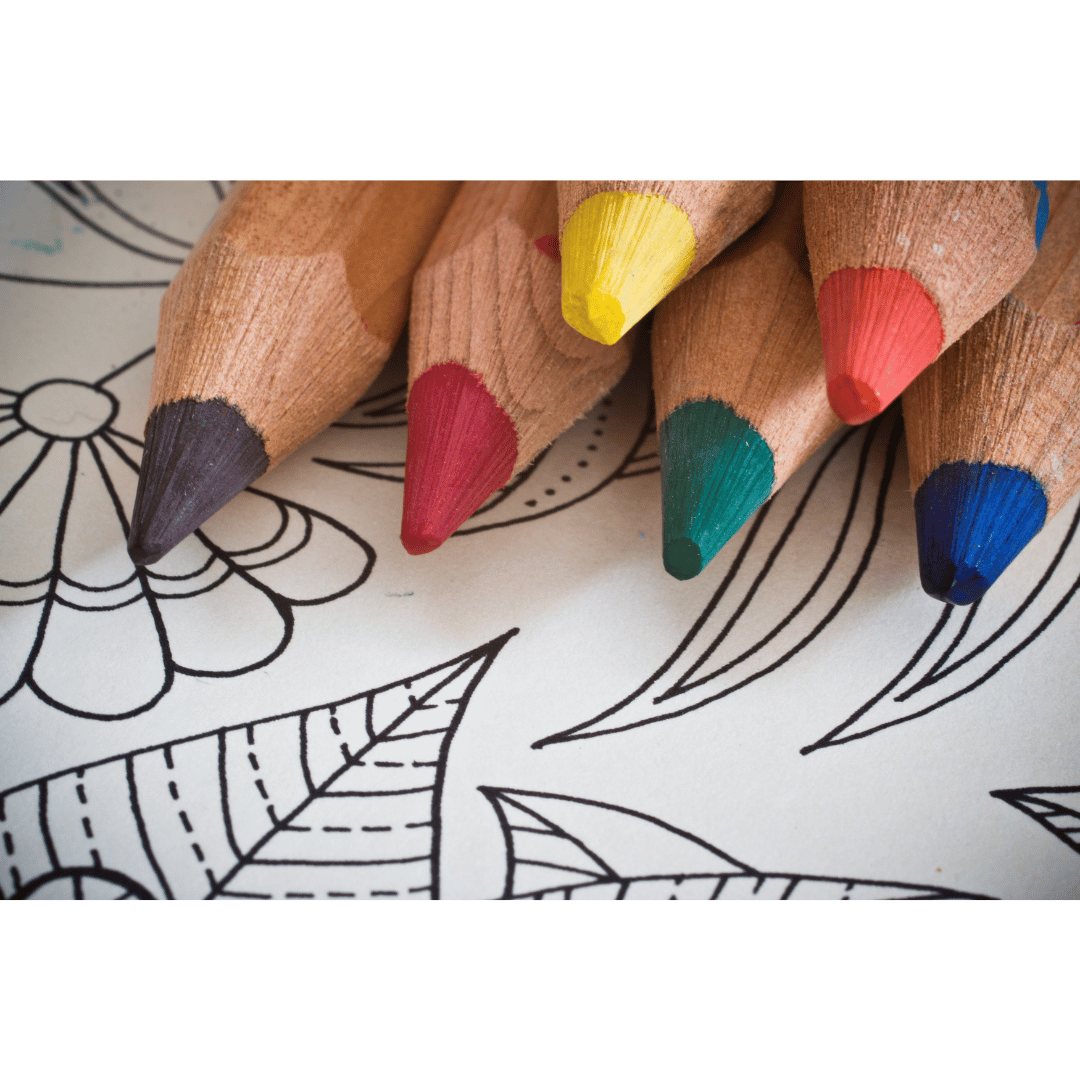
2. Colouring Books Aren't Just for Kids
Colouring isn't just a childhood pastime—it’s a powerful mindfulness tool that offers relaxation, stress relief, and even cognitive benefits for adults. The act of focusing on intricate designs and gently shading in different hues can help quiet the mind and create a meditative flow, similar to breathing exercises or yoga.
How to Practice Mindful Colouring:
1. Choose Your Materials
- Pick up an adult colouring book with detailed designs like mandalas, nature patterns, or abstract geometric shapes.
- Print out some intricate colouring pages from online sources if you prefer variety.
- Gather your preferred colouring tools—pencils, markers, or crayons—whatever feels most soothing.
2. Set the Mood
- Find a comfortable space with minimal distractions.
- Play some soft music, nature sounds, or ambient tunes to enhance the experience.
- Take a few deep breaths before you begin to ease into relaxation.
3. Colour Slowly & Mindfully
- Start shading gently and intentionally, paying attention to the strokes and how the colours blend.
- Focus on the physical motion—the feel of the pencil against the paper, the rhythm of your hand moving.
- Let yourself enjoy the process rather than worrying about how the finished picture looks.
4. Experiment with Colours & Patterns
- Choose soothing colours that bring a sense of calm, like blues, greens, or earthy tones.
- Try colour blending to create gradients for a dynamic, artistic look.
- Challenge yourself with intricate designs to deepen concentration and relaxation.
5. Observe Your Emotions
- Notice how you feel before and after colouring—does your mind feel lighter?
- If thoughts wander, gently bring your focus back to the act of colouring itself.
- Use colouring as a regular ritual to unwind and reset your mental state.
Colouring is more than just filling in spaces—it’s a way to express creativity, ground yourself, and escape from everyday worries. Whether you spend just ten minutes or an entire evening, it can be a simple yet effective way to cultivate mindfulness.
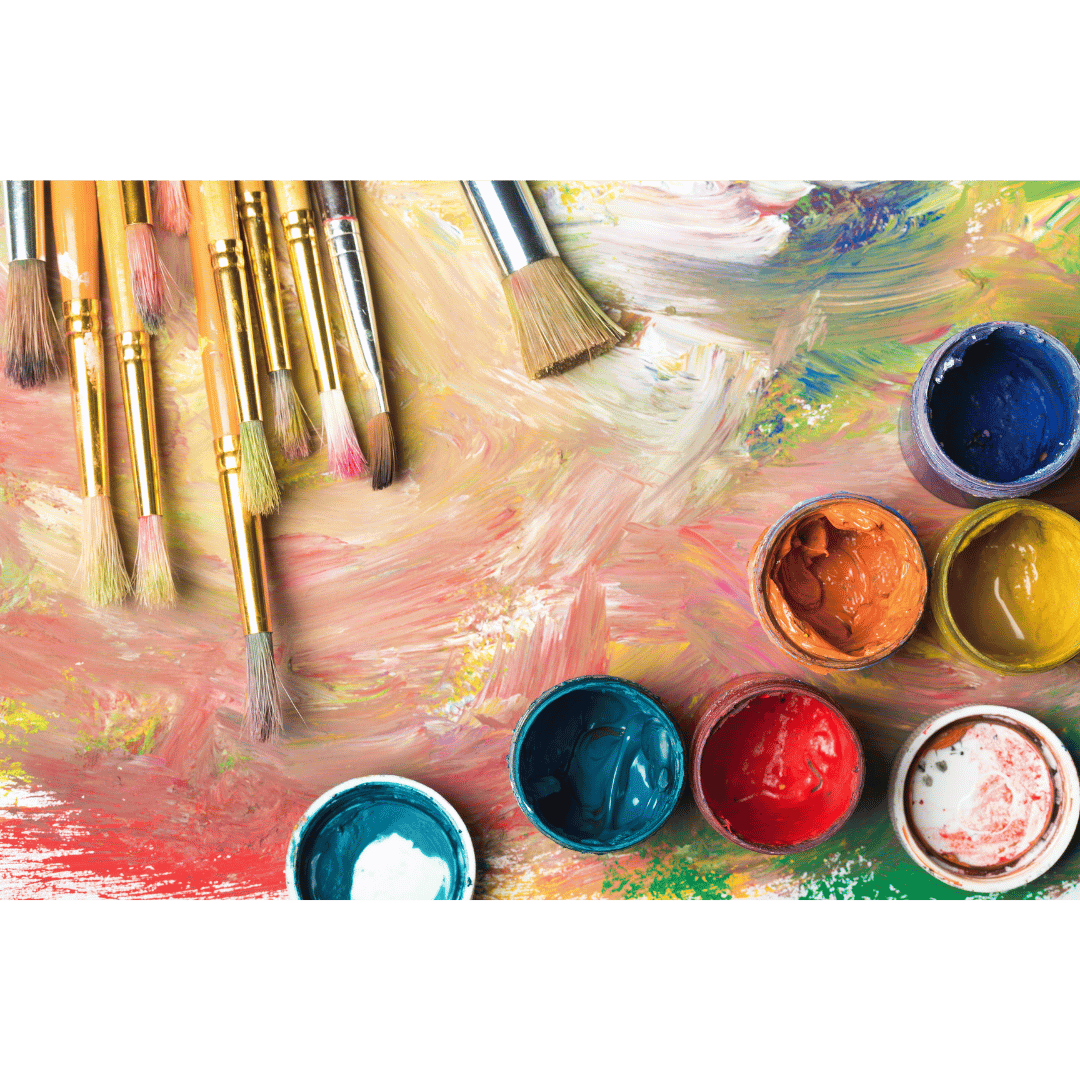
3. Free-Form Painting for Emotional Release
Painting with no expectations is one of the most liberating ways to engage with art—it allows you to explore creativity without worrying about perfection or outcomes. Whether you're working with fluid acrylics, textured materials, or simple brush strokes, the process itself becomes the focus, rather than the final product.
How to Paint Freely & Without Expectations:
1. Set Up Your Painting Space
- Choose an area with good lighting and enough space to move freely.
- Lay down some protective coverings (newspapers, a drop cloth) if you're using fluid acrylics or messy materials.
- Gather your painting supplies—brushes, sponges, palette knives, or even your hands for more tactile exploration.
- Select a canvas, paper, or wood board—something sturdy to experiment on.
2. Choose Your Paint Medium
- Fluid Acrylics: Pour and tilt the canvas to let colours mix naturally.
- Texture Painting: Use thicker paints and tools like sponges, scrapers, or even household items to create texture.
- Brushstroke Play: Try wide, sweeping strokes or small, detailed movements without a set image in mind.
3. Let Go of Any Expectations
- Approach the canvas with curiosity, not pressure.
- Experiment with layering, splattering, and mixing colours without overthinking.
- Use your hands, fingers, or unconventional tools to create unique effects.
- Embrace any “mistakes” as part of the creative process.
4. Engage Your Senses & Mood
- Play music that inspires you—let the rhythm guide your brush movements.
- Try painting based on your emotions—soft, calming strokes when relaxed, bold, dramatic textures when energised.
- Observe how the colours and textures interact and adjust based on instinct rather than planning.
5. Step Back & Reflect
- Once you feel satisfied, pause and look at what you’ve created.
- Notice if any surprising shapes, emotions, or patterns emerged.
- If you feel inspired, add more layers or leave it as it is—it's all about what feels right in the moment.
6. Make This a Regular Practice
- Dedicate a few minutes or an entire session whenever you need a creative outlet.
- Store finished pieces as reminders of your free-flow creativity, or let them go without attachment.
- Share your art if you feel like it, but remember—this practice is about expression, not perfection.
There’s no wrong way to paint with freedom—just let the colours flow and see what comes to life!

4. Collage Your Thoughts
Collaging is a fantastic way to tap into creativity while giving your subconscious a voice! Whether you’re cutting out magazine clippings or gathering random images, words, and textures, the process allows you to create something meaningful without worrying about perfection.
How to Collage Freely & Thoughtfully:
1. Gather Your Materials
- Collect old magazines, newspapers, printed images, or fabric scraps.
- Use scissors, glue, tape, or Mod Podge for assembling.
- Choose a canvas, poster board, journal page, or any sturdy surface.
- Consider adding personal elements like handwritten notes or small objects.
2. Set the Right Mood
- Find a quiet, comfortable space with good lighting.
- Play some music or ambient sounds to help with relaxation.
- Approach the process with no rules or expectations—just explore.
3. Select & Arrange Pieces
- Flip through magazines and cut out anything that speaks to you, even if it doesn’t immediately make sense.
- Try arranging images without gluing them down first, just to see how they fit together.
- Combine words, textures, and symbols that resonate with your emotions.
4. Layer & Experiment
- Overlap pieces, tear edges for texture, or play with different shapes.
- Mix contrasting themes, such as nature vs. cityscapes or vintage vs. modern.
- Add paint, ink, or doodles to enhance depth and uniqueness.
5. Embrace Intuition & Reflection
- Let your gut guide you—don’t overthink placement.
- Once finished, take a moment to observe your collage—does any pattern or theme emerge?
- If desired, write down reflections about what your collage represents emotionally.
6. Enjoy the Process & Make It a Habit
- Use collage as a creative mindfulness tool whenever you need an emotional release.
- Collect snippets over time and create a collage journal for personal storytelling.
- Share your work with friends or keep it private—whatever feels right.
Collaging is more than crafting—it’s self-discovery through visuals. The beauty of it is that there’s no pressure to “make art”—just a natural unfolding of ideas, emotions, and subconscious thoughts.

5. Join a Local Art Class or Group
Look for a fun art class or group in your community. Whether it’s pottery, acrylic painting, or even knitting, being in a creative environment surrounded by others can boost your sense of community and emotional well-being.
Art Is Healing—Whether It’s Therapeutic or Just for Fun
Whether you’re using art as a therapeutic tool or simply engaging in it for joy, the act of creating holds undeniable benefits for your mental, emotional, and even physical health. You don’t need a plan, purpose, or expertise—just the willingness to put your hands to work and see where your creativity takes you.
However, if you ever fancied yourself as the creative kind, and want to learn "How to Draw", but never got around to giving it a good heartfelt go, why not take advantage of the amazing offer by the team at Pencil Drawing Made Easy, where they’ll guide you to learn how to draw like a master artist. With over 42 hours of easy-to-follow training videos and step-by-step instruction, they'll have you drawing better than you ever imagined possible.
Art Therapy Workbook
If you're searching for a deeper dive into art therapy from the comfort of home, explore my newest workbook and experience the transformative power of creativity with,
From Heart to Canvas – Therapeutic Art Workbook!
Whether you're seeking a soothing escape or a meaningful way to process emotions, this expertly designed workbook guides you through transformative art therapy exercises—all from the comfort of your home.
Packed with structured activities, step-by-step instructions, inspiring prompts, and deep self-reflection tools, From Heart to Canvas empowers you to express yourself freely while uncovering insights into your inner world. Plus, with a comprehensive self-interpretation glossary, you’ll navigate your artistic journey with confidence.
Don't just explore art—experience its profound ability to heal, restore, and uplift. Click to begin your creative wellness journey today! 🎨✨

Final Thoughts
Art therapy and art for fun both have their place in our emotional wellness toolkit. If you want to explore your inner world, heal from past experiences, or gain insight into your emotions, art therapy could be the right path. But if you just want to relax and add a little creativity to your day-to-day life, picking up a brush for fun can work wonders, too. Either way, you’re taking steps to nourish your mind and soul—and that’s something worth celebrating.
Happy Arting it Your Way 😊
Starlah Rose


SUBSCRIBE
Now to Receive a Free
"How to Be Mindful in 7 Days" Workbook.
By signing up you also agree to recieve my newsletter when I have interesting stories and blogs to share- straight to your inbox before everyone else
You’re almost there. Just pop in your details on the next page and your How to Be Mindful in 7 Days workbook will be on its way to you.
🔐 Copyright Notice
This eBook and accompanying workbook are intended solely for individual use. Reproduction, distribution, or sharing of any content—whether in part or in full—is strictly prohibited without prior written permission from the author.
This website contains cookies. We're committed to your privacy. We use the information you provide to us to contact you about our relevant content, products, and services. You may unsubscribe from these communications at any time.
🔐 Copyright Notice
This eBook and accompanying workbook are intended solely for individual use. Reproduction, distribution, or sharing of any content—whether in part or in full—is strictly prohibited without prior written permission from the author.