

Weight Loss Beyond the Scales
Healing the Deeper Layers of Body and Mind
When it comes to weight loss, we’ve been taught to measure success in numbers — kilos, calories, steps, and macros. But what if true transformation isn’t just about losing weight… but losing what weighs you down?
Many people start their journey believing the solution lies in stricter diets or longer workouts, only to find themselves trapped in cycles of frustration, guilt, and self-blame.
The truth is, sustainable weight loss goes far beyond the scales — it begins within the body, the mind, and the emotions that shape how we live, eat, and feel.
The Hidden Roots of Weight Gain
Weight gain is rarely just about food or willpower. It’s often a symptom — a signal from the body that something deeper needs attention. Emotional stress, trauma, hormonal imbalances, sleep disruption, and even past conditioning can all play a part.
For example:
Chronic stress elevates cortisol levels, leading the body to store fat (especially around the belly) as a survival response.
Unprocessed emotions can trigger comfort eating — food becomes a form of self-soothing when we haven’t learned safer ways to regulate pain or loneliness.
Old beliefs from childhood — like “finish your plate” or “being thin equals being worthy” — can quietly dictate how we eat decades later.
When we view weight through this lens, it’s no longer just a body issue. It becomes a doorway to deeper healing and self-understanding.
The Emotional Body—What’s Really Behind “Food Noise”
If you’ve ever felt stuck in cravings, mindless snacking, or emotional eating, you’ve experienced food noise — that constant hum of thoughts about what, when, or how much to eat.
This isn’t a lack of discipline; it’s your nervous system seeking comfort and regulation. Many of us use food to calm anxiety, ease boredom, or fill emotional voids — coping mechanisms that once helped us survive but now keep us stuck in the same loops.
Healing the emotional body involves curiosity, not criticism.
Ask yourself:
What emotion am I trying to soothe right now?
What does my body truly need — food, or something deeper?
Can I sit with the discomfort for just one breath longer?
Case Study
Sarah’s Story — Healing Through Awareness
Sarah, a 38-year-old mother of two, felt trapped in an exhausting cycle of binge eating and shame. She had tried every diet imaginable — keto, intermittent fasting, detoxes — but nothing gave her the lasting freedom she was seeking. Every time she “failed,” she blamed herself.
Through her therapy sessions, Sarah began exploring her relationship with food using art therapy and therapeutic journaling.
In one exercise, I asked her to paint what her hunger felt like — not what it looked like. She painted a large, dark void in the centre of the page, surrounded by jagged red lines. When we unpacked it, she said it felt like “a hollow ache — not in my stomach, but in my chest.”
That awareness was the beginning of everything.
Through journaling, she uncovered that her binge episodes were triggered not by physical hunger, but by emotional loneliness — moments when she felt unseen or unappreciated. As a child, food had been her comfort during her parents’ frequent fights. Her subconscious had learned: food equals safety.
Once Sarah could name that connection, she began using somatic grounding instead of food when the urge hit — placing her hand on her heart, breathing deeply, or painting instead of eating. Over time, the binge cycles softened. She wasn’t “fixing” herself; she was reparenting her inner child through understanding and care.
That’s the power of going beyond the scales — healing the root, not just the symptom.

Supporting the Body
Where Nutrition and Supplements Fit In
While emotional healing is foundational, supporting the body physiologically is equally vital. Balanced blood sugar, stable energy, and proper nutrient intake help quiet food cravings and support metabolism.
If you’re ready to take gentle, supportive steps towards better energy and fat metabolism, consider incorporating natural supplementation.
** Disclaimer: Always check with your healthcare provider before starting any new diet, exercise or supplement regimen.
Here are a few that may help:
🌿 Magnesium – supports blood sugar balance, reduces stress-related eating, and improves sleep.
🌻 Berberine – assists in regulating insulin and metabolic function.
🍋 Chromium Picolinate – helps stabilise glucose and minimise sugar cravings.
🔥 L-Carnitine – supports fat metabolism and energy production.
Probiotics & Prebiotics – nurture gut health, improving digestion, satiety, and mood.
These aren’t magic fixes — they’re tools to support your body while you heal from the inside out.
If you’d like to explore trusted practitioner-grade supplements to complement your holistic journey, I’ve curated a list you can browse here →
Disclaimer: Some of the links shared in this content may be affiliate links, which means I may earn a small commission — at no extra cost to you. Always do your own due diligence and consult with your healthcare practitioner before starting any new supplement.
Beyond Products
Reconnecting With Your Body
Transformation begins when you rebuild trust with your body. Here are a few simple practices — with guidance and ideas to help deepen your self-connection:
💗 Mindful Eating:
Before your first bite, pause. Notice the colours, textures, and smells of your food.
Take a moment to appreciate where your meal came from — the farmers, the earth, the journey to your plate.
Eat slowly, savouring each mouthful, and pay attention to the sensations and flavours as you chew.
If your mind wanders or you feel the urge to rush, gently bring your focus back to the present experience without judgement.
This practice helps you become attuned to your hunger and fullness cues, making eating a more conscious, nourishing act.

🎨 Art Therapy
Art Therapy Prompt:
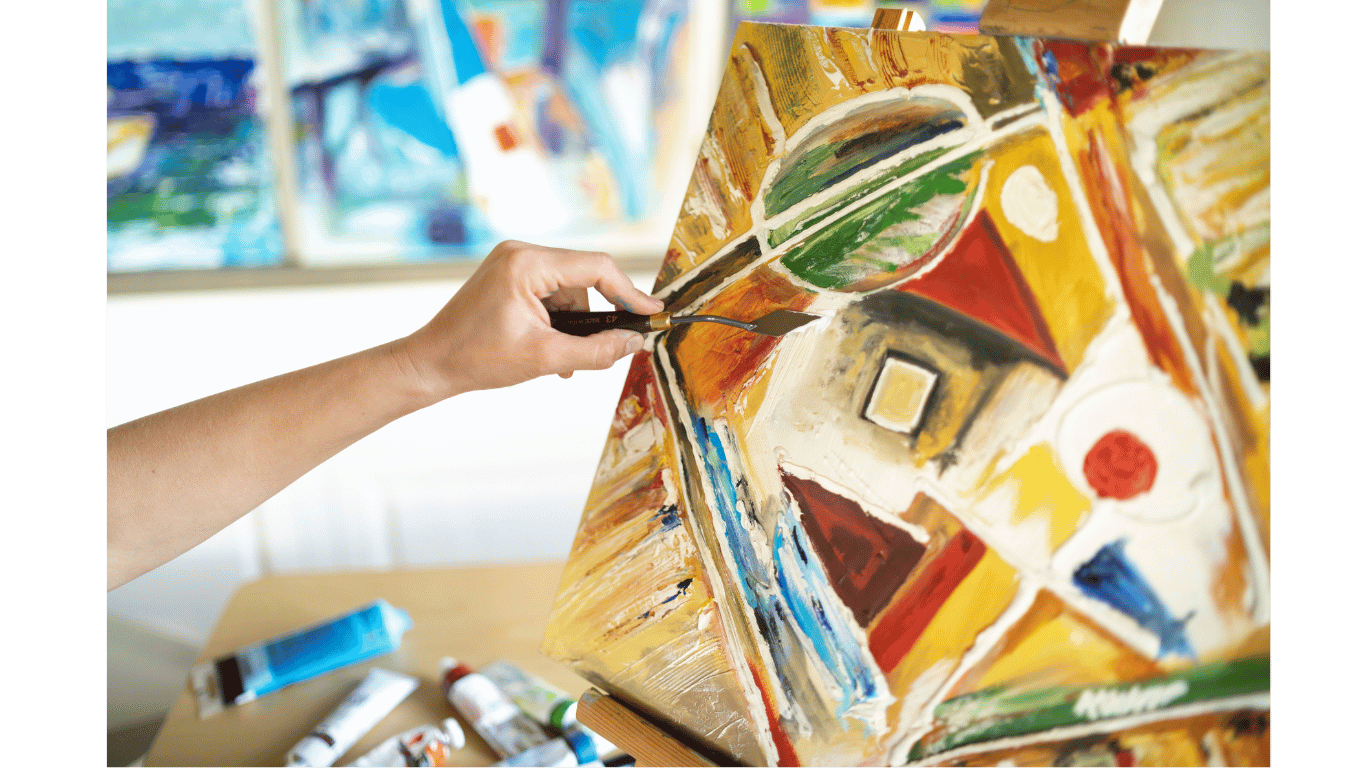
After you have finished a meal that seemed to soothe something deeper than physical hunger, reach for your art supplies — pencils, markers, paints — whatever calls to you. Let your hands express what words cannot, giving shape and colour to the feelings stirred within.
Create a Calm Environment: Find a comfortable, quiet spot where you can sit and reflect. Perhaps play soft music or light a candle to set a relaxing mood, helping you tune in to your body’s sensations.
Take a few moments to notice how your body feels after eating. Are you feeling energised, heavy, relaxed, or tense? Close your eyes, breathe deeply, and let yourself become aware of any physical or emotional sensations.
Express Through Art: Begin your creative process by drawing, painting or colouring an image that captures your body’s current state. There’s no right or wrong way to do this — let your hand move freely and choose shapes, colours, and symbols that resonate with how you feel. For example, you might draw sturdy roots or a tree for feeling grounded, or full, or airy balloons to represent lightness and satisfaction.
This creative outlet provides insight into how different foods and circumstances impact your body and mood, deepening self-understanding.
Focus on Sensations and Emotions: As you create, give attention to the feelings and sensations that arise. Don’t worry about your artistic skill or the outcome; focus instead on expressing what’s inside, using colours and forms that mirror your experience.
Reflect on Your Artwork: Once finished, take a moment to look at your creation. Ask yourself what the image tells you about your body’s response to the meal. Does it reveal patterns, preferences, or needs? Use this insight to deepen your self-understanding and notice how food choices impact your mood and wellbeing.
Journal Your Experience: Consider writing a few sentences about what you noticed during the process. This reflection can help you recognise connections between your eating habits, emotions, and physical sensations, supporting your journey to mindful nourishment.
📓 Therapeutic Journaling
🖊️ Journal Prompt:
Ask yourself, “If my body could speak right now, what would it need?”
Set a timer for five minutes and free-write your response.
Let your thoughts flow without censoring or editing. You might discover your body craves rest, movement, water, connection, or simply a moment of compassion.
Journaling in this way builds a bridge between your physical needs and emotional awareness, fostering a more caring relationship with yourself.
Notice Your Breath: Take a few deep breaths and write about how your breath feels in your body. Is it shallow, deep, tight, or relaxed? What does this tell you about your current state?
Reflect on Comfort: Think about a time recently when you felt truly comfortable or at ease in your body. What contributed to that feeling, and how can you invite more of it into your daily life?
Gratitude Check-In: List three things your body allowed you to do today, no matter how small. Express gratitude for these abilities and reflect on how acknowledging them affects your mood.
Food and Feelings: Recall your last meal and write about how it made you feel physically and emotionally. Did it energise, soothe, or unsettle you? Are there patterns you notice?
Movement Memory: Journal about a movement or activity your body enjoys — whether it’s stretching, walking, dancing, or simply resting. How does your body respond to this, and what can you learn from these sensations?
Each of these practices is a gentle way to say to your body: I’m here. I’m listening. I’m safe. By regularly engaging in these rituals, you begin to re-establish trust and communication, paving the way for sustainable transformation that goes far beyond numbers on a scale.

🧘♀️ Somatic Work:
Healing Through the Body
We often forget that the body remembers what the mind forgets.
Somatic practices — like grounding, breathwork, and nervous system regulation — help us release trauma that’s stored in the body.
This is especially crucial when healing the inner child, as many of our earliest experiences weren’t fully processed, leaving the body in a loop of tension, hyperarousal, or shutdown.
Since trauma lives in the body, healing must include it. Somatic practices teach you how to listen to and regulate your nervous system—making your inner world feel safe again.
Try:
Breathwork (especially extended exhales)
Grounding practices like walking barefoot
Polyvagal techniques like humming, EFT tapping, or self-holding
Try This Practice: Tune into your body and notice any areas where you hold tension — perhaps your jaw, shoulders, or stomach. Before you eat, close your eyes and take a few deep breaths, sending your breath into any tight or uncomfortable spots. You might place a hand on your heart or belly as a grounding gesture. Ask yourself: “How does my body feel right now?” This process helps signal safety to your nervous system, making meals more calming and digestible.
You may like to read this blog post...
Techniques for Managing Your Emotional Well-Being:
Click to explore some amazing products and programs
to take you to the next level.
Destroy Depression Program
Disclaimer - This blog post contains affiliate links
The Deeper Journey
Weight loss isn’t just about subtracting — it’s about adding back connection, self-compassion, and joy. When you move beyond the scales and into a relationship of curiosity with your body, healing becomes inevitable.
The goal isn’t to chase an image — it’s to reclaim you.
Just remember, you are not malfunctioning.
With the right tools — art, movement, reflection, and compassionate guidance — you can begin to rewrite the story your body has been carrying. You can finally offer yourself what you’ve always deserved: safety, love, and deep acceptance. And from that place of inner trust, you’ll gently begin to embrace a more balanced, nourishing way of life — one rooted in connection, not control.
For those ready to explore this healing journey more deeply...
✨Let me introduce my latest eBook, Weight Loss Beyond the Scale — a transformative guide that blends science, personal experience, and my signature Mind Archaeology™ approach. Inside, you’ll explore how art therapy, therapeutic journaling, and emotional insight can help decode the body’s responses to both our inner landscapes and outer environments. It’s not just about weight — it’s about healing the stories beneath it.

Whether you're just beginning or have been on this journey for years, there's something here to guide and uplift you.
🖌️ Come discover the healing power of reflection, art, and intentional self-expression.
Discover ‘From Heart to Canvas’
If you’re craving a simple way to begin exploring art therapy at home, From Heart to Canvas offers a gentle place to start — a space where creativity becomes a pathway back to yourself.
Inside, you’ll find structured activities, step‑by‑step guidance, inspiring prompts, and reflective tools that help you express what’s inside in a way that feels safe and supported. Each exercise is designed to meet you where you are, helping you move at your own pace while uncovering insights about your inner world.
And with the included self‑interpretation glossary, you’ll have a compassionate companion by your side — helping you understand the symbols, colours, and emotions that naturally rise through your art. From Heart to Canvas isn’t about being an artist. It’s about reconnecting with yourself, one brushstroke at a time.
Subscribe through the workbook page, and you’ll receive a FREE Art Therapy Activity to begin exploring your inner world through creativity 🎨
If you’d like to go even deeper, you can pair it with my Therapeutic Journaling eBook — a gentle companion that helps you uncover the layers beneath your emotions and make sense of what rises through your art.
And if you choose to grab them together through the From Heart to Canvas checkout, the journaling eBook is available at a special discounted rate, making it even easier to support your journey in a way that feels nourishing and accessible.

Final Thoughts
You are not broken.
You are healing.
You are remembering.
And your body has always been on your side — protecting, adapting, and communicating in the best ways it knows how. Every craving, every fluctuation, every emotion is an invitation to listen more deeply.
So maybe the question isn’t “How do I lose the weight?”
Maybe it’s “What is my body trying to tell me?”
And as you learn to answer that question with love, you’ll find that the scales begin to shift — not just in numbers, but in how you feel about yourself, your body, and your life.
Your healing matters. And it starts with one small act of reconnection and self-compassion.
Starlah Rose


Click to explore body reconnection

Click to delve deeper into art therapy activities

SUBSCRIBE
Now to Receive a Free
"How to Be Mindful in 7 Days" Workbook.
By signing up you also agree to recieve my newsletter when I have interesting stories and blogs to share- straight to your inbox before everyone else
You’re almost there. Just pop in your details on the next page and your How to Be Mindful in 7 Days workbook will be on its way to you.
🔐 Copyright Notice
This eBook and accompanying workbook are intended solely for individual use. Reproduction, distribution, or sharing of any content—whether in part or in full—is strictly prohibited without prior written permission from the author.
This website contains cookies. We're committed to your privacy. We use the information you provide to us to contact you about our relevant content, products, and services. You may unsubscribe from these communications at any time.
🔐 Copyright Notice
This eBook and accompanying workbook are intended solely for individual use. Reproduction, distribution, or sharing of any content—whether in part or in full—is strictly prohibited without prior written permission from the author.